
A Conversation with the past for the future - Maastricht
29 sept t/m 7 oktober te bezoeken buiten het Bonnefanten aan de Maaspuntweg
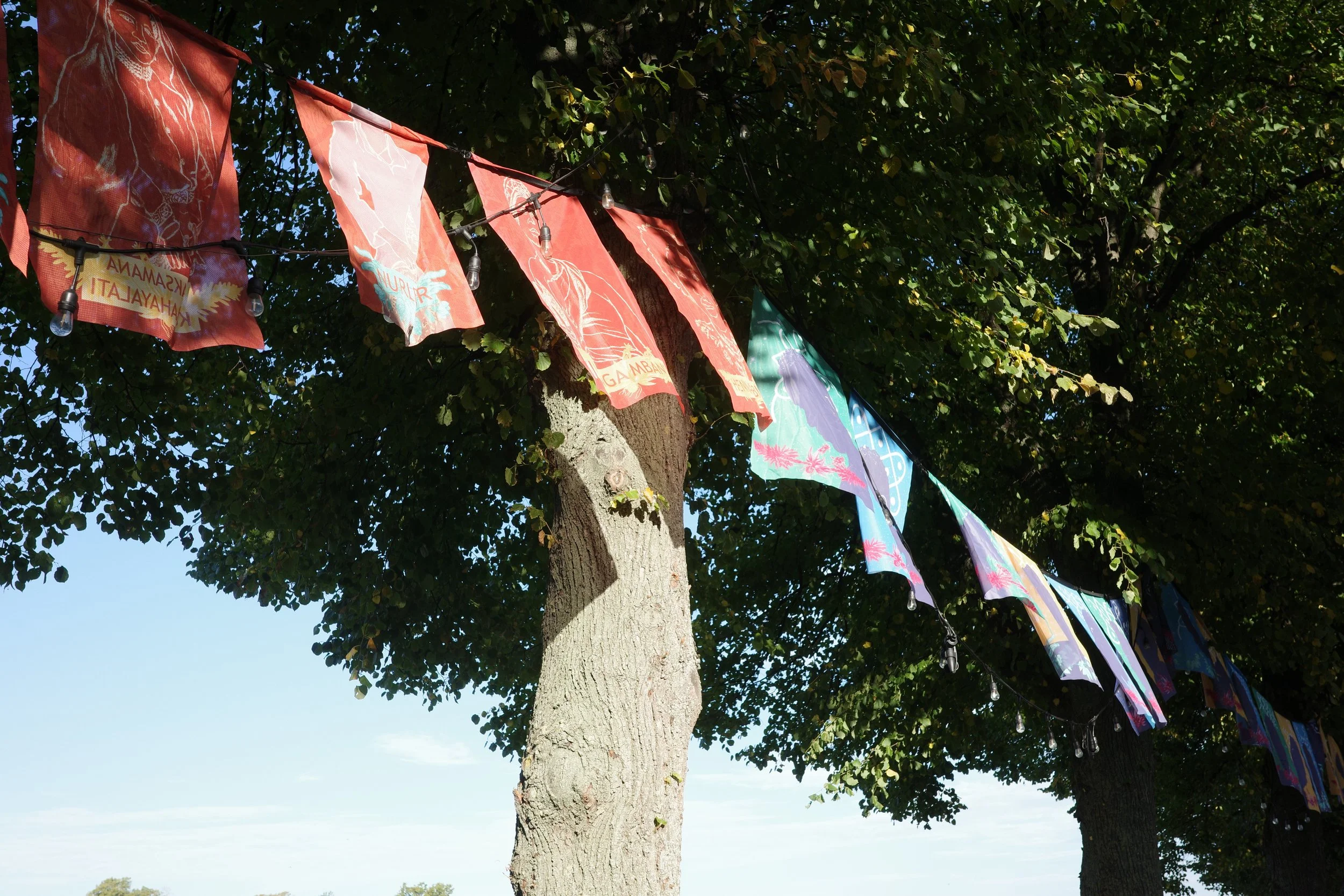
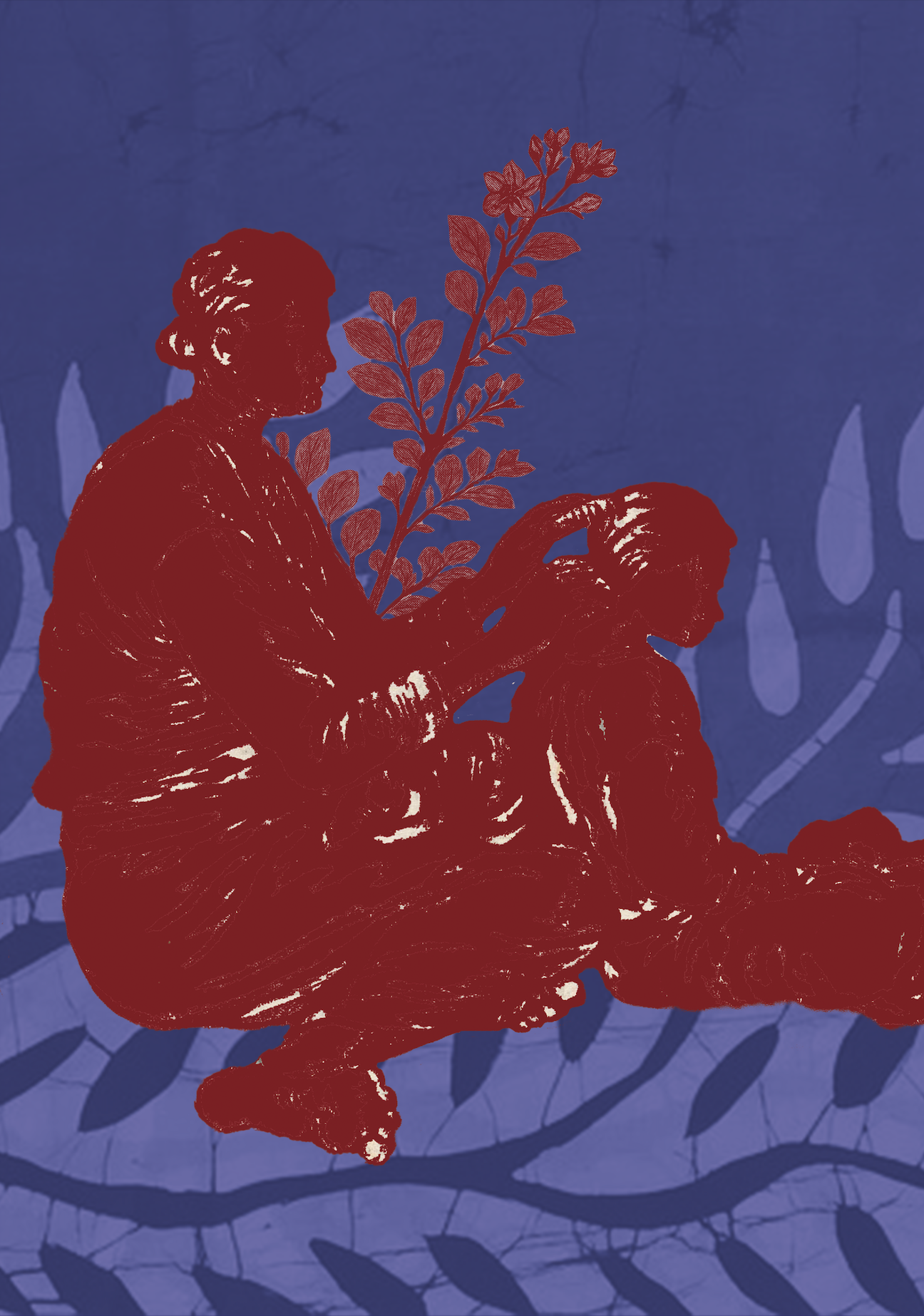
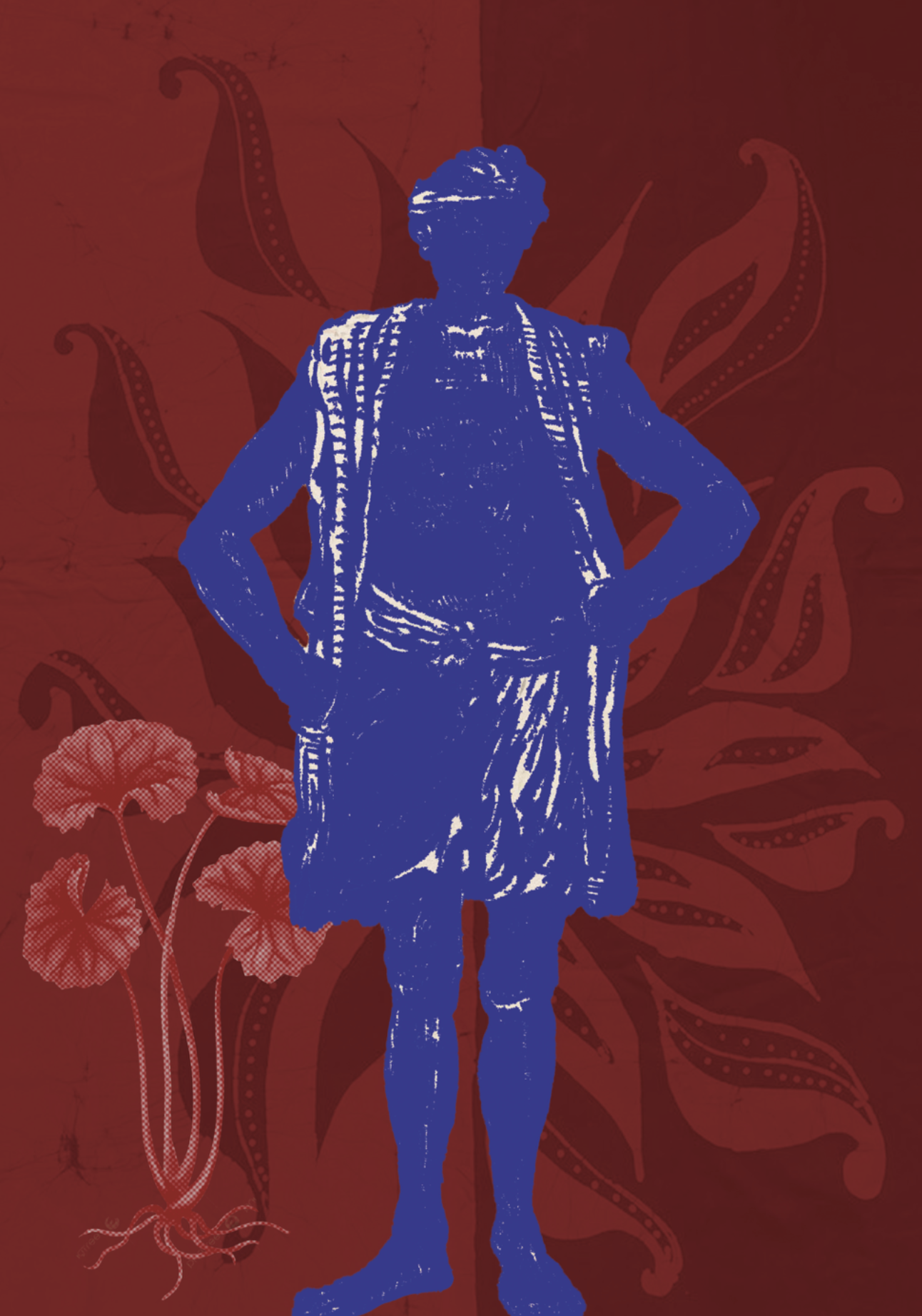
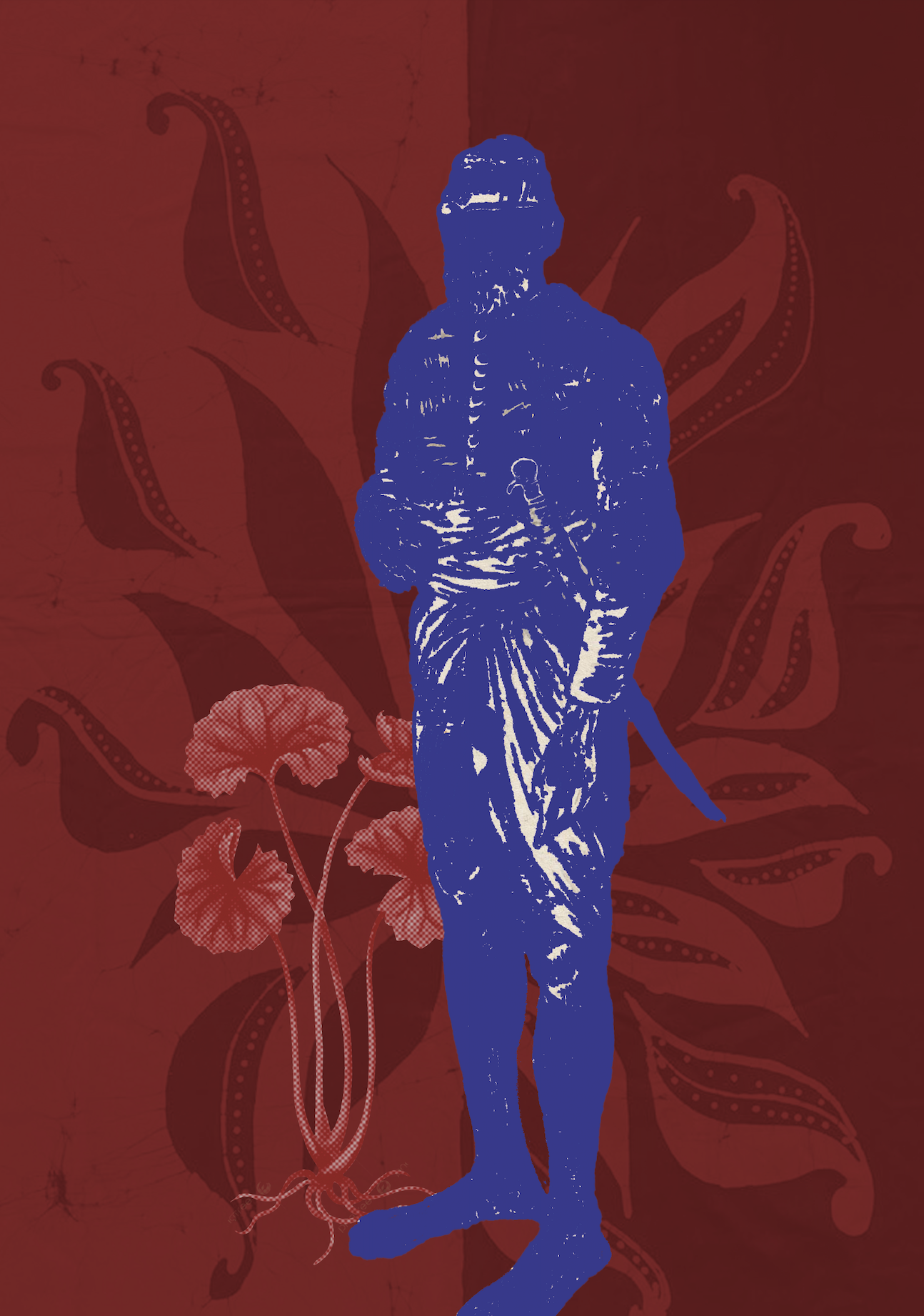
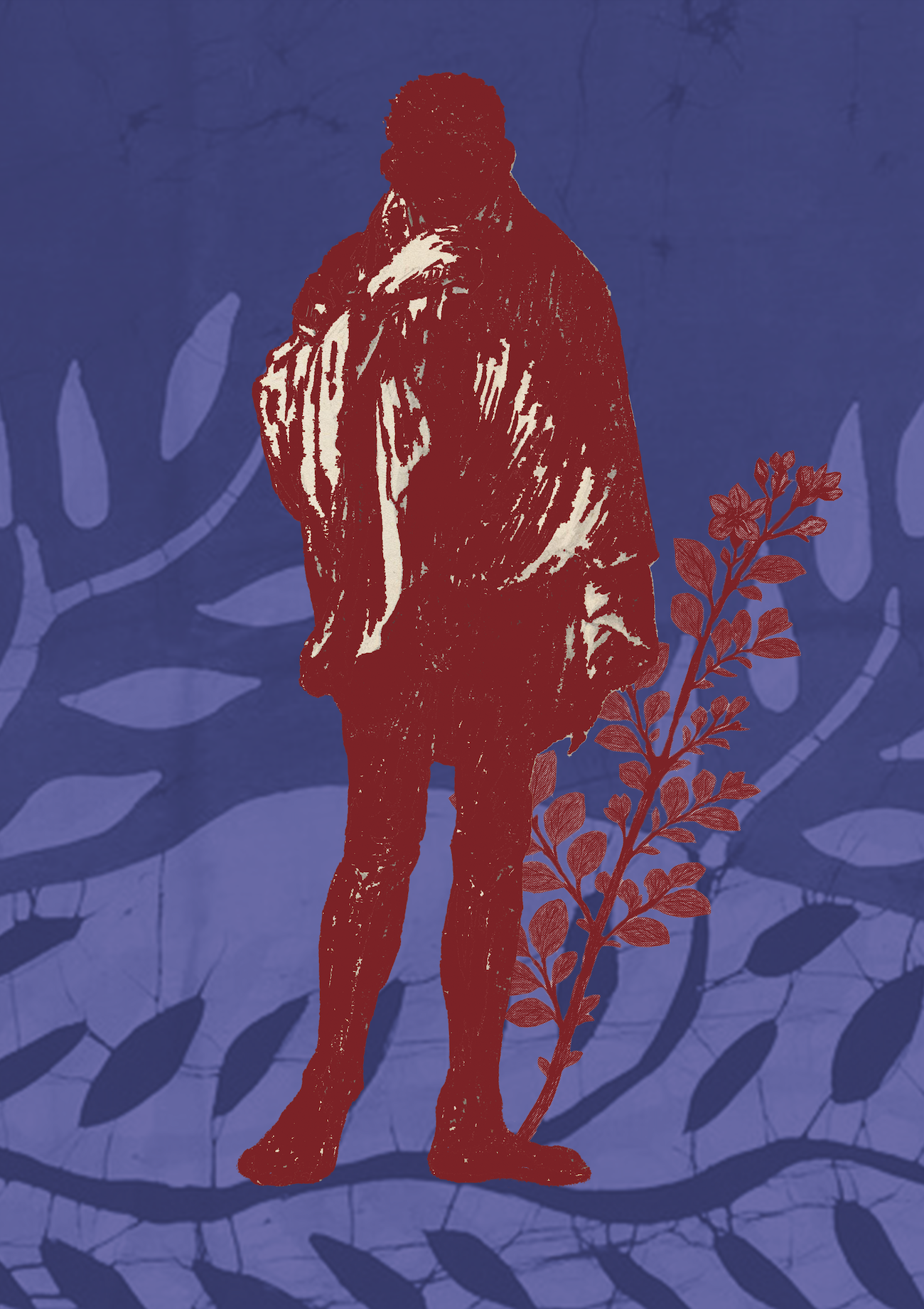
Op deze pagina kan je teksten, audiofragmenten en beelden bezoeken die onderdeel vormen van het project A Conversation with the Past for the Future in Maastricht. Door middel van een indrukwekkende installatie van vlaggen en audiofragmenten wordt het publiek uitgenodigd om zich te verbinden met historische-en persoonlijke verhalen uit de stad. Speciaal voor Maastricht zijn er aanvullende portretten en audioverhalen ontwikkeld die de aandacht vestigen op de verbindingen van de stad en de provincie Limburg met het koloniale- en slavernijverleden. Hier vind je deze nieuwe teksten, audiofragmenten en meer informatie over de portretten die erin worden tentoongesteld.
Deze installatie is ontwikkeld door Sites of Memory in samenwerking met beeldend kunstenaar Judith Westerveld en dichter/muziekproducent Jörgen Gario en mogelijk gemaakt door Nederlandse Dansdagen, Bonnefanten en Fonds Podiumkunsten.
KOLONIALE-EN SLAVERNIJVERLEDEN MAASTRICHT
Het Bonnefanten staat aan de oevers van de Maas, een rivier die Maastricht al eeuwenlang verbindt met plekken buiten de landsgrenzen. Het museum staat in het Céramiquegebied, ooit een industriewijk en vandaag de dag een plek voor kunst, herinnering en reflectie. Maastricht lijkt misschien ver verwijderd van de centra van de Nederlandse koloniale macht, maar onderzoek naar de koloniale-en slavernijgeschiedenis van Maastricht en Limburg laat zien dat er een sterke verbondenheid is. Maar ook andere geschiedenissen bewogen zich langs deze verbindingen: geschiedenissen van mensen van wie het land werd afgenomen, wier arbeid werd uitgebuit, wier namen werden veranderd - en wier kennis, herinneringen en verbondenheid met het land bleven voortbestaan. Hier, aan de oevers van de Maas, betreden we een ontmoeting van plaatsen, geschiedenissen en herinneringen.
Door de ligging maakte de stad deel uit van Spanje, Frankrijk en Oostenrijk, om uiteindelijk op te gaan in de Republiek der Zeven Verenigde Nederlanden. Inwoners van Maastricht en de rest van Limburg profiteerden van de koloniale economie. Ze werkten voor overzeese ondernemingen, investeerden in koloniale bedrijven, bezaten plantages en proviteerden direct van de welvaart en goederen verkregen door slavenarbeid. In het begin van de negentiende eeuw woonde de familie Liedel op Kasteel Well in Limburg. Zij waren eigenaren van plantages in Nederlands-Indië waar tot slaaf gemaakten werkten.
Deze geschiedenis herinnert ons dat kolonialisme zich niet beperkte tot verre koloniën of havensteden. De systemen ervan drongen door tot de levens en landschappen hier, terwijl personen, rijkdom en macht zich verplaatsten over oceanen en generaties heen.
Jögen:
We did not meet here for the first time
We met at the crossing
In the wind that carried more than ships
In the distance
That did not ask our names
But took them anyway
Before the line was drawn
Before the map was fixed
There were hands
That knew the land
By touch,
By taste,
By time.
Johannes:
!Gâi Tses
Camissa
Hoerikwaggo
!Hui Gaeb
A meeting of currents, movement and memory
To live here is to know where water gathers after rain, which plants heal, which paths return you home
There is no need to claim the land. The land is already in relation to those who move with it
Among the Khoe, leadership is carried, not fixed
Among the San, the land is read not owned, not marked, not divided
This is a world held in movement. In knowledge. In relation
Kalani:
Mahiyanganaga
Dabana
Vedda
An inheritance passed down from generation to generation
පරම්පරාවෙන් පරම්පරාවට උරුම වී ආ දායාදයක්. භූමිය අපට අයිති කරගත යුතු දෙයක් නොවේ
The land provides us with food, water, and shelter. Not simply a place where we live
We are guardians that love the land that nourishes and sustains us
An inheritance to pass down for future generations
Song:
Don't you take my stone
This is my home
Don't you do this to me
I know you see the beauty
Leave us where we stand
We don't believe your plans
Leave us where stand
Thats what we demand
Jörgen:
Crazy Beautiful
She thinks she loves me
Tries to find the open end
Of my eyes
Comes to the field
And wants to be seen
White hat, White umbrella
White gloves, white dress
White shoes, white skin
It is Midday
There is no way
I can lock eyes with her
My eyes belong to the soil
Her eyes belong to the dutch
My life belongs to the dutch
Her life profits from mine
My future in the soil
As the past calls me to rest
Her future being built
Beyond the mirror of sky
In europe they feed from war elsewhere
Her love could be my death
Kapila:
As a child, I thought silence was just another kind of weather
Thirty years in ash and salt
I felt it in small things
Curfews I didn’t fully understand
Roads we stopped using without explanation
The way the sea still looked the same
Even when everything else didn’t
Salt was everyday life
On my skin after running near the shore
In the food we ate without thinking
Ash was something I only met later
In half-finished stories
And pauses that lasted too long
I remember not asking questions
Because the answers always changed faces
Even language felt careful in my mouth
Like it knew it was being watched
And still, we grew up inside it
Playing, learning, pretending the world was simple
We became
Not what we were told
Not what arrived with certainty
But something in between
Jörgen:
All my days hurricanes
Living in the eye of the storm
Calling it my new norm
Get on your knees and pray
Maybe you could save today
Living in the eye of storm
Cause thats where stars are born
Jomecia:
All connected, intertwined histories
Roots buried deep, growing trees, bearing fruits made of gold
Ma no ala sani di glin na gowtu
The taste of cinnamon, nutmeg, tea, cardamon, ginger, pepper, all blended together
It is complex, it is divers, it is the same
Different places, people, cultures
All the same stories about how people got brainwashed to not point at the ones in power, but at each other
And who profits from the divide of people
They made themselves invisible
They made sure you see them as saviors
One corrupt system thriving on power
Building on trade to get more money, more capital, more gold, more more more
Te yu e teki wan sani, yu musu memre pe yu pot in en pe ai go
You thought you could erase our memories, but your ancestors wanted us to remember
We see it in the streets
We hear it in the schools
We feel it in our bodies
We remember
Who profits from the divide of people
Credits
Ontwerp portretten: Judith Westerveld
Teksten: Teksten: Jörgen Gario, Johannes Jacobus Tieties, Kalani Sachithra Wijebandara, Jomecia Oosterwolde, Kapila Palihawadana